
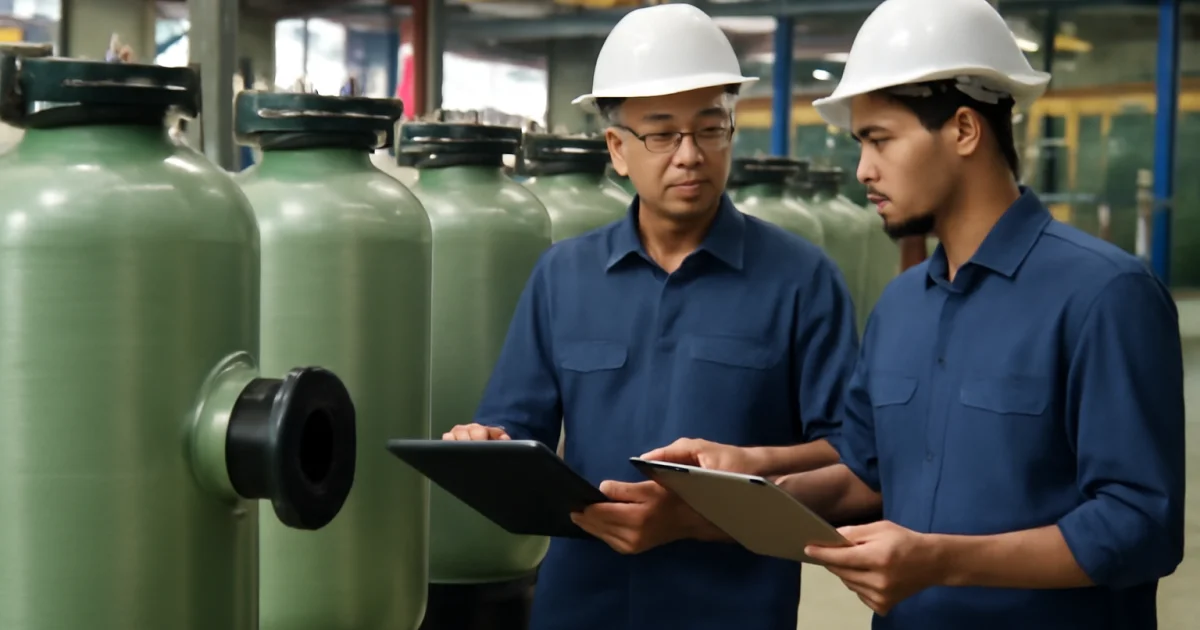
Best Practices for Selecting an FRP Filter Housing Manufacturer
FRP (Fiberglass Reinforced Plastic) filter housings are essential components in demanding industrial filtration systems. From pulp and paper to offshore applications, these housings offer a unique blend of corrosion resistance, durability, and lightweight design. However, the performance and reliability of your filtration system depend heavily on choosing the right FRP filter housing manufacturer. This guide outlines best practices to help engineering consultants, facility managers, and procurement teams make informed decisions that support operational excellence.
Understand Application Requirements
Every industry and process has unique filtration needs. Start by clearly defining your operational conditions, including flow rates, temperature ranges, chemical compatibility, and pressure requirements. For example, pulp and paper manufacturers may prioritize chemical resistance, while offshore operators might focus on lightweight design and saltwater durability. Collaborate internally to document these requirements before contacting potential manufacturers.
- Assess fluid characteristics: Identify the types of liquids, particulates, and potential contaminants your system will handle.
- Consider operational environment: Is your facility exposed to harsh chemicals, UV, or extreme temperatures?
- Set performance targets: Define flow rates, filtration efficiency, and maintenance intervals to guide your selection process.
Evaluate Manufacturer Experience and Industry Focus
The manufacturer’s experience directly impacts the quality and suitability of their FRP filter housings. Look for partners with a proven track record in your sector. Companies serving a diverse range of industries—such as oil & gas, marine, and semiconductor manufacturing—often bring valuable cross-industry expertise and robust quality control processes.
- Years in business: Longevity suggests stability and continuous improvement. For instance, companies with over 20 years of experience are often more reliable.
- Industry references: Request case studies or reference projects relevant to your application.
- Export and delivery capability: Global manufacturers with established export histories are better equipped to support international projects.
Prioritize Quality Standards and Certifications
FRP filter housings must comply with rigorous safety and quality standards, especially in regulated industries. Review each manufacturer’s adherence to international certifications and their internal quality assurance processes.
- Certifications: Look for ISO 9001, ASME, or industry-specific standards.
- Material traceability: Ensure all materials used in the housing are traceable and certified for your process needs.
- Testing and inspection protocols: Inquire about pressure testing, leak testing, and third-party inspections.
Assess Customization Capabilities
No two filtration systems are exactly alike. The best FRP filter housing manufacturers offer customizable solutions to match your unique requirements. Customization may include sizing, nozzle orientation, multi-cartridge or high-flow configurations, and integration with self-cleaning or UV disinfection systems.
- Design flexibility: Can the manufacturer adapt designs for different flow rates or tight installation spaces?
- Integration options: Compatibility with cartridge filters, bag filters, or specialty filtration media.
- Engineering support: Access to experienced engineers who can help optimize your system design.
For a deeper understanding of filter housing differences, you may find this guide on filter housing types helpful.
Review After-Sales Support and Technical Assistance
Reliable after-sales support ensures long-term satisfaction with your FRP filter housings. Responsive technical assistance can minimize downtime and help you adapt to changing process needs.
- Spare parts availability: Ensure spare parts, such as O-rings and filter elements, can be sourced quickly.
- Technical guidance: Choose manufacturers that offer installation, commissioning, and troubleshooting support.
- Warranty and service agreements: Understand warranty coverage and available service contracts.
Compare Total Cost of Ownership
While initial purchase price matters, consider the broader cost factors associated with FRP filter housings. High-quality housings with robust design and materials often reduce lifecycle costs through longer service life, fewer repairs, and lower maintenance expenses.
- Evaluate durability: Well-constructed FRP housings withstand aggressive chemicals and high flow applications, reducing the risk of costly failures.
- Factor in maintenance: Easy-to-service housings save labor costs and reduce process interruptions.
- Check for value-added features: Options such as high flow cartridge configurations or integrated UV disinfection may streamline plant operations.
Make Use of Internal and External Resources
Finally, leverage both internal expertise and external resources when evaluating manufacturers. Internal stakeholders—such as operations managers and maintenance teams—can provide practical insights. Additionally, compare offerings from multiple suppliers and consult industry peers for recommendations.
For more on specific FRP filter housing product options, visit the FRP filter housing category. If your process uses cartridge-style filters, consider reviewing cartridge filter housing solutions for compatibility.
Common Mistakes to Avoid When Choosing a Manufacturer
Even experienced engineering teams can fall into common traps when sourcing filter housings. Avoiding these pitfalls can save both time and money and ensure a smoother procurement process.
- Overlooking long-term compatibility: Some teams focus solely on immediate technical specs, neglecting to consider future process upgrades or expansion. Always verify that the housing’s design can accommodate evolving filtration demands.
- Neglecting supplier audits: Relying on brochures and websites without conducting virtual or in-person audits can mask gaps in manufacturing capability or quality controls. Whenever possible, request a facility tour or third-party assessment.
- Ignoring local regulations: International projects may require compliance with regional standards or certifications beyond global norms. Ensure the manufacturer is familiar with and can meet all applicable local requirements.
- Focusing only on price: A low upfront cost may indicate compromises in resin quality, fiber winding, or finishing that lead to premature failures. Balance cost with proven reliability and support.
Checklist for Evaluating Potential Partners
Streamline your selection process by creating a comprehensive checklist tailored to your industry. Here is a sample evaluation framework:
- Technical Fit: Document the manufacturer’s ability to meet your spec sheet, including temperature, chemical compatibility, and pressure ratings.
- Reference Projects: Obtain and review case studies or client testimonials in similar operating environments.
- Quality Assurance: Confirm ISO or other relevant certifications, and inquire about their traceability protocols.
- Customization Experience: Evaluate past custom projects and request sample drawings or design proposals.
- Lead Time & Logistics: Ask about manufacturing lead times, shipping options, and how delays are managed.
- After-Sales Structure: Identify local service partners, technical support channels, and parts stocking locations.
Scoring each category can help quantify and compare multiple suppliers, making your decision more objective and defensible.
Real-World Scenario Analysis: Upgrading a Marine Filtration System
Consider a marine engineering firm tasked with retrofitting an aging seawater filtration system on an offshore platform. The project team must address strict weight limitations, corrosion from salt spray, and limited access for maintenance. By collaborating with an experienced manufacturer, the team selects a lightweight, modular filter housing with custom nozzle placement to fit confined spaces. Pre-delivery pressure testing and third-party inspection reports ensure compliance with offshore safety standards. The upgraded system reduces maintenance intervals and improves operational uptime, directly impacting the platform’s profitability. This scenario illustrates how a methodical selection process—focused on application needs, customization, and proven quality—can lead to measurable operational improvements.
Emerging Trends in Industrial Filtration
The landscape for industrial filtration is evolving rapidly. Modern systems are increasingly integrating smart sensors, remote monitoring, and advanced composite materials. Leading manufacturers are developing housings that accommodate IoT-enabled filtration monitoring, predictive maintenance alerts, and hybrid designs that blend FRP with other advanced materials for specialized performance. Staying informed about these innovations can help future-proof your facility and maintain a competitive edge as regulations and industry standards evolve.
Conclusion
Selecting the right FRP filter housing manufacturer is a strategic decision that safeguards your process reliability, safety, and operational efficiency. By focusing on application requirements, manufacturer expertise, certification, customization, support, and total cost of ownership, companies in the pulp and paper, marine, and engineering sectors can ensure they partner with a supplier capable of meeting their unique filtration challenges.
Ready to Optimize Your Filtration System?
Partner with Suzhou Ruickly Purification Technology Co., Ltd. for high-quality FRP filter housings and tailored industrial filtration solutions. Benefit from 29+ years of expertise, global delivery, and dedicated technical support for your unique industry needs.
Frequently Asked Questions
What are the key benefits of choosing an FRP filter housing for industrial use?
FRP filter housings offer excellent corrosion resistance, lightweight construction, and durability in harsh industrial environments. They are ideal for applications requiring chemical compatibility and long service life, such as pulp and paper manufacturing, marine operations, and water treatment.
How do I evaluate a high flow cartridge filter housing manufacturer?
Assess the manufacturer’s experience with high flow applications, review references from similar industries, ensure their housings are pressure-rated for your system, and verify the availability of customization options. It is also important to check for relevant certifications and after-sales support.
Can FRP filter housings be customized for unique process needs?
Yes, leading manufacturers offer customization in terms of size, nozzle orientation, cartridge or bag filter compatibility, and integration with other systems like self-cleaning or UV disinfection units. Consulting with the manufacturer’s engineering team ensures solutions fit your specific process requirements.
What certifications should I look for in an FRP filter housing manufacturer?
Look for ISO 9001 certification, compliance with ASME or equivalent pressure vessel standards, and material traceability documentation. These certifications demonstrate a commitment to quality, safety, and regulatory compliance.
Why is after-sales support important when selecting a filter housing supplier?
Strong after-sales support ensures quick access to spare parts, technical assistance for troubleshooting, and guidance during installation and maintenance. This reduces downtime and safeguards the long-term reliability of your filtration system.
Ready to Optimize Your Filtration System?
Partner with Suzhou Ruickly Purification Technology Co., Ltd. for high-quality FRP filter housings and tailored industrial filtration solutions. Benefit from 29+ years of expertise, global delivery, and dedicated technical support for your unique industry needs.