
7 Common Mistakes to Avoid When Choosing a Cartridge Filter Housing Manufacturer
Choosing the right cartridge filter housing manufacturer is critical for any procurement team in the chemical, pharmaceutical, or semiconductor industries. The right decision ensures reliable, safe, and cost-effective filtration, while a misstep can lead to operational setbacks, compromised product quality, and unplanned expenses. Below, we explore the most frequent mistakes made during the selection process and how to make more informed choices.
1. Overlooking Industry-Specific Requirements
Every industry has unique demands. For example, the semiconductor sector requires ultra-clean filtration systems, while pharmaceutical manufacturing must comply with strict regulatory standards. One common error is assuming that all cartridge filter housings are suitable for any application. Failing to match a manufacturer’s offerings to your exact process requirements can result in inadequate filtration or compliance issues.
Before making a selection, assess whether the manufacturer understands your industry’s standards, such as FDA, GMP, or ISO certifications for pharmaceuticals or high-purity applications for microelectronics. Clarify your process parameters, chemical compatibility, pressure ratings, and flow rates. Manufacturers with a proven track record across multiple industries often deliver better tailored solutions.
2. Prioritizing Price Over Total Value
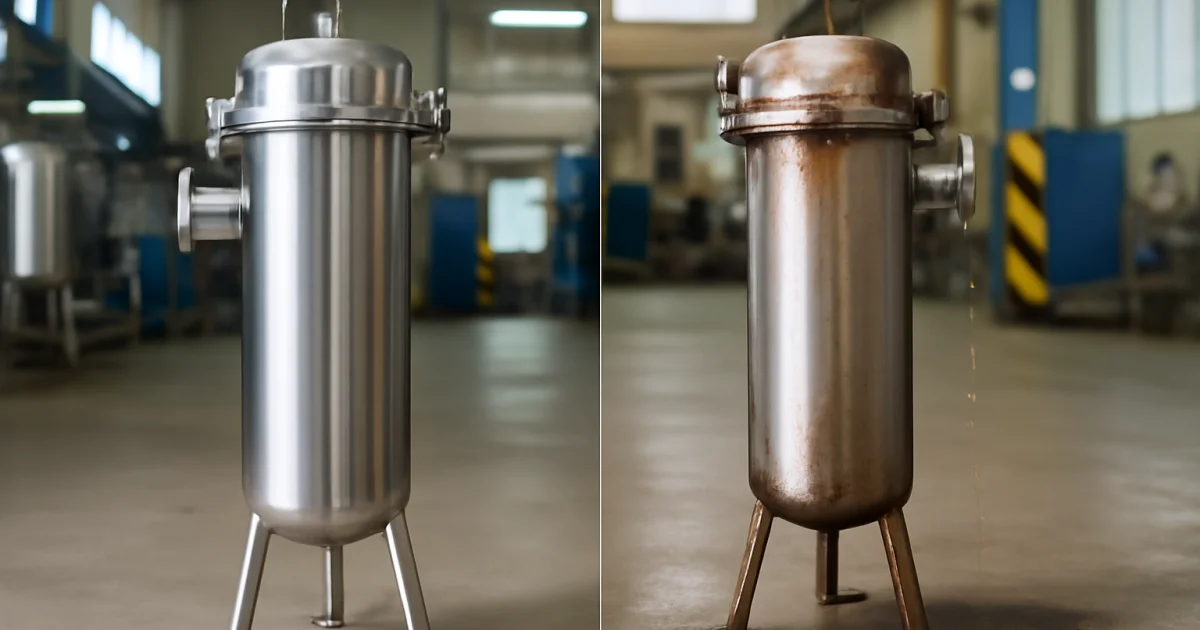
While budget constraints are real, focusing solely on the lowest initial price can be costly in the long run. Low-cost filter housings may compromise on material quality, weld integrity, or sealing mechanisms. This can lead to leaks, contamination, and frequent replacements—ultimately increasing total cost of ownership.
Instead, evaluate the overall value, including material durability, compatibility with your filter cartridges, maintenance requirements, and after-sales support. High-quality stainless steel or FRP filter housings, for instance, may have a higher upfront cost but offer superior longevity and lower maintenance. Be wary of manufacturers who cannot clearly explain their quality control protocols or material sourcing.
3. Ignoring Manufacturer Experience and Reputation
Industrial filtration is a specialized field. Choosing a manufacturer with limited experience or unproven track record can expose your operations to risk. Some procurement teams neglect to verify the manufacturer’s years in business, references, or export history.
Look for manufacturers with extensive experience—ideally, those who have served a wide range of industries and global clients. A reputable manufacturer should readily provide documentation of past projects, certifications, and client testimonials. For critical applications, consider those with global delivery capabilities and technical support, ensuring seamless integration and ongoing assistance.
4. Not Assessing Product Range and Customization Options
Another frequent oversight is failing to consider the breadth of the manufacturer’s product line and their ability to deliver custom solutions. Industrial processes often evolve, requiring tailored filter housing configurations—such as high flow cartridge filter housings or multi-cartridge units for increased capacity.
If a manufacturer offers only a narrow range, you may struggle to scale or adapt your filtration system as operational needs change. Confirm that the supplier provides various options, including bag, cartridge, stainless steel, and FRP housings. Customization is especially important for integration into existing systems or addressing unique flow rates, pressures, and media compatibility.
5. Underestimating the Importance of Compliance and Testing
Product safety and regulatory compliance are non-negotiable in sectors like chemicals and pharmaceuticals. Some procurement teams neglect to verify whether the manufacturer’s filter housings meet relevant standards—leading to failed audits or compromised product safety.
Ensure that the cartridge filter housing manufacturer can provide material traceability, pressure testing, and documentation for each unit. For applications requiring UV water disinfection or advanced process control, confirm that the manufacturer’s products integrate with your monitoring systems and meet all local and international safety regulations.
6. Neglecting After-Sales and Technical Support
Even the best filtration equipment requires ongoing support. Teams sometimes overlook the importance of choosing a manufacturer that offers comprehensive technical guidance, troubleshooting, and spare parts availability.
Prioritize suppliers with responsive after-sales teams, clear service level agreements, and the ability to provide onsite or remote troubleshooting. Robust support minimizes downtime and ensures your filtration system continues to perform optimally.
7. Failing to Review Delivery and Logistics Capabilities
Timely delivery and global reach are vital, especially for multinational operations or projects with tight schedules. Some procurement teams underestimate the impact of insufficient logistics planning, resulting in delays that affect project timelines.
Choose a manufacturer with proven global delivery capabilities, export documentation expertise, and the ability to handle urgent or bulk orders. This is especially important when sourcing FRP or stainless steel filter housings for international facilities.
Conclusion: Making the Right Choice for Reliable Filtration
Avoiding these common mistakes can streamline your procurement process, reduce operational risks, and ensure the success of your industrial filtration systems. Invest time in evaluating each cartridge filter housing manufacturer’s industry expertise, product quality, compliance, and support services. By focusing on long-term value and reliability, procurement teams can protect product integrity and maximize operational efficiency.
For a deeper understanding of filter housing materials and their applications, explore our article on key differences between bag, cartridge, stainless steel, and FRP filter housings. If you require a specific cartridge filter housing for your process, review our full range of cartridge filter housings to find the ideal solution for your needs.
Partner with Suzhou Ruickly for Reliable Industrial Filtration Solutions
With more than 29 years of experience and a wide range of industrial filtration products, Suzhou Ruickly Purification Technology Co., Ltd. delivers customized cartridge filter housings, FRP and stainless steel options, UV disinfection systems, and expert technical support to over 80 industries worldwide. Ensure quality, compliance, and operational reliability by partnering with a trusted global manufacturer.
Practical Steps for Evaluating Filter Housing Manufacturers
To make an informed procurement decision, it’s helpful to implement a structured evaluation process. Begin by creating a shortlist of potential manufacturers based on online research, industry referrals, and trade show participation. Request detailed technical documentation, such as datasheets, certifications, and case studies. Organize site visits or virtual tours to assess manufacturing capabilities firsthand, and ask probing questions about their production lines, quality management systems, and traceability processes.
As part of your due diligence, interview technical representatives from each supplier to clarify how their filter housings address your specific process needs. For example, if your facility handles aggressive chemicals or high-temperature fluids, request evidence of material compatibility testing or previous installations in similar environments. This approach minimizes the risk of costly mismatches and ensures your filtration investment is robust and future-proof.
Comparing Materials and Design Features
Not all filter housings are created equal. The choice of materials—such as stainless steel, carbon steel, FRP, or specialized alloys—significantly impacts corrosion resistance, lifespan, and maintenance frequency. Stainless steel housings are often preferred in pharmaceutical and food processing due to their hygienic properties, while FRP housings excel in corrosive chemical applications. Evaluate the manufacturer’s ability to offer a range of material options and their willingness to advise on the best fit for your process parameters.
Pay close attention to design details, such as closure mechanisms (clamp, bolt, or swing bolt), internal surface finish, and gasket materials. For processes requiring frequent cartridge changes, a quick-release closure can save valuable maintenance time. If your operation is subject to strict validation or cleaning protocols, ensure the housing design supports easy disassembly and thorough cleaning without risk of cross-contamination.
Scenario Analysis: The Cost of Overlooking Technical Support
Consider a pharmaceutical manufacturer that purchases filter housings from a low-cost overseas supplier with minimal technical support. During installation, the team encounters issues integrating the housing with existing piping and discovers that the documentation does not match actual product specifications. The lack of responsive support leads to extended downtime, regulatory scrutiny, and emergency retrofits—ultimately costing much more than the initial savings. This scenario underscores the critical importance of after-sales support, clear documentation, and local technical expertise.
Frequently Asked Questions
What should I look for in a high flow cartridge filter housing manufacturer?
Key considerations include proven engineering expertise, a range of high-capacity filter housing options, material quality, and the ability to customize for your required flow rates. Look for manufacturers with a strong track record in designing housings for demanding industrial applications and reliable after-sales support.
How do I know if a filter housing manufacturer offers FRP options?
Check the manufacturer’s product catalog or website for specific FRP (fiber-reinforced plastic) filter housing models. Reputable manufacturers will clearly list available materials, including FRP, and provide information about their applications and benefits.
Why is technical support important when choosing a filter housing manufacturer?
Technical support ensures your filter housing is correctly installed, maintained, and serviced. Strong support teams help resolve issues quickly, minimizing downtime and ensuring consistent filtration performance throughout the product’s lifecycle.
Can a cartridge filter housing manufacturer help with UV water disinfection systems?
Yes, some manufacturers offer integrated solutions, including filter housings designed for compatibility with UV water disinfection systems. Confirm that the manufacturer understands your process requirements and can provide compatible products and technical guidance.
What’s the risk of choosing a manufacturer with limited experience?
Manufacturers with limited experience may lack the knowledge to address specific industry requirements, potentially leading to incompatible or non-compliant products. This can result in process disruptions, safety risks, or regulatory issues for your operations.
Partner with Suzhou Ruickly for Reliable Industrial Filtration Solutions
With more than 29 years of experience and a wide range of industrial filtration products, Suzhou Ruickly Purification Technology Co., Ltd. delivers customized cartridge filter housings, FRP and stainless steel options, UV disinfection systems, and expert technical support to over 80 industries worldwide. Ensure quality, compliance, and operational reliability by partnering with a trusted global manufacturer.