
Comparing Top Self-Cleaning Filtration System Manufacturers for Industrial Applications
Self-cleaning filtration systems have become essential in industries such as oil & gas, power generation, chemical processing, and pharmaceuticals. The right manufacturer can significantly impact system reliability, maintenance costs, and long-term performance. This comparison will help decision-makers in high-demand sectors evaluate and select the best self-cleaning filtration system manufacturer for their specific industrial applications.
Why Self-Cleaning Filtration Systems Matter in Industry
Industrial processes require consistent water and fluid quality to protect equipment and ensure product integrity. Self-cleaning filtration systems automatically remove contaminants, reducing manual intervention and downtime compared to traditional filters. This makes them especially valuable in continuous or high-flow operations such as offshore platforms, refineries, semiconductor fabs, and food production plants.
Key benefits include:
- Automated cleaning cycles to minimize maintenance
- High flow rate capabilities for large-scale operations
- Extended filter lifespan and reduced operational costs
- Consistent filtration performance to meet strict process requirements
Key Criteria for Comparing Self-Cleaning Filtration System Manufacturers
Selecting a manufacturer is more than comparing price tags. Industrial buyers should consider:
- Technology & Design: Evaluate the cleaning mechanism (e.g., mechanical brush, suction scanner, backwash) and its suitability for your process.
- Material Quality: Look for options such as stainless steel, FRP (fiber-reinforced plastic), or specialty alloys, depending on chemical compatibility and environmental demands.
- Customization: Leading manufacturers offer tailored solutions, adapting flow capacities, filter micron ratings, and integration with control systems.
- Industry Experience: Years of proven expertise, global references, and successful case studies in your sector indicate reliability.
- After-Sales Support: Consider technical support, spare parts availability, and training for your team.
- Compliance & Certifications: Ensure the manufacturer meets relevant industry and safety standards.
For example, Suzhou Ruickly Purification Technology Co., Ltd. brings over 29 years of experience and serves more than 80 industries worldwide, offering a wide portfolio of filtration products and custom solutions.
Comparing Top Manufacturers: Differences and Advantages
While many manufacturers claim to offer similar products, notable differences exist in their engineering, product range, and service approach:
- Technology: Some specialize in brush-cleaned filters, while others focus on suction or backwash systems. The choice affects filtration efficiency and maintenance intervals.
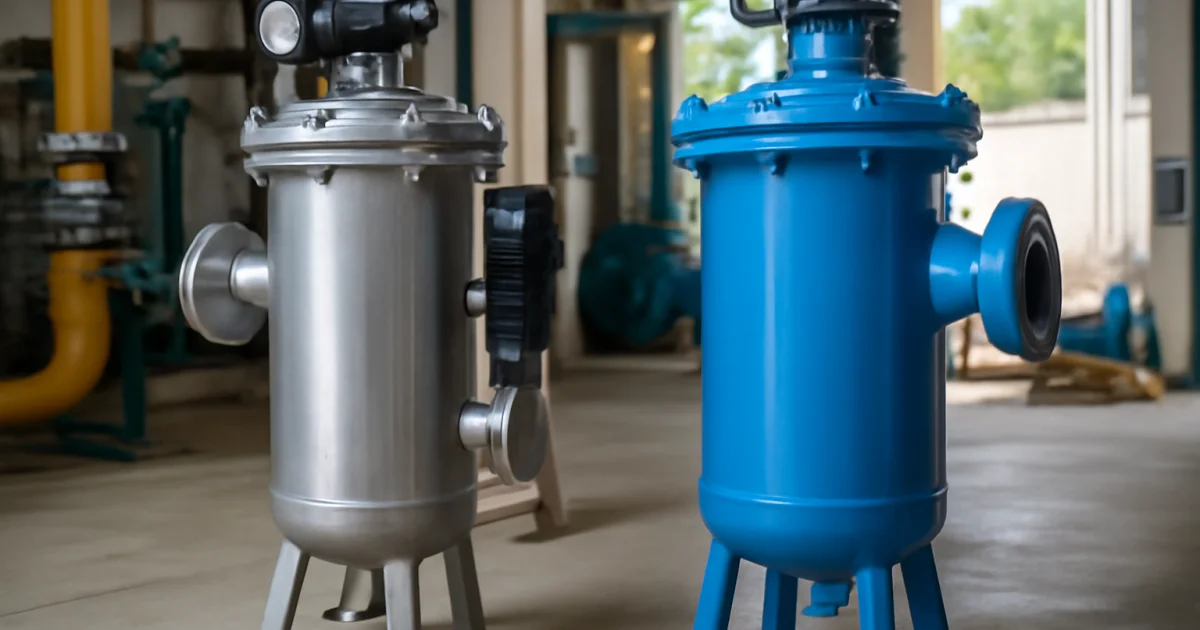
- Material Options: Stainless steel filter housings are ideal for demanding environments, whereas FRP filter housings provide corrosion resistance and lower weight.
- Flow Rate Handling: Leading brands provide high-flow cartridge filter housing solutions for applications requiring rapid processing and minimal pressure loss.
- Integration Capabilities: The best manufacturers support integration with UV disinfection systems and other water treatment technologies for complete solutions.
- Global Reach and Support: Manufacturers with established export records and global delivery can better support multi-site operations.
For instance, Suzhou Ruickly offers self-cleaning filtration systems alongside bag filter housings, cartridge filter housings, and UV disinfection units, making it easier for clients to source compatible products from one supplier. Their track record of exporting over 90,000 filtration units to 56 countries demonstrates their capacity and reliability.
Advantages and Drawbacks of Different Manufacturer Approaches
Every manufacturer has its strengths and limitations. Understanding these can help you align your choice with your operational priorities:
- Specialized vs. Full-Range Providers: Niche manufacturers may offer deep expertise in one filtration technology but lack broader system integration capabilities. Full-range providers can deliver end-to-end solutions, simplifying procurement and service.
- Local vs. Global Support: Manufacturers with international support can ensure spare parts and technical assistance are readily available, reducing downtime.
- Customization: Some companies focus on standard models, while others (like Ruickly) emphasize custom-engineered solutions, which is critical for unique industrial processes.
- R&D and Innovation: Manufacturers investing in research and development may offer more advanced or energy-efficient filtration technologies.
Drawbacks can include higher costs for custom solutions, longer lead times for specialized materials, or limited local presence for some global suppliers. Carefully weigh these against your plant’s long-term requirements.
How to Choose the Right Self-Cleaning Filtration System Manufacturer
To make a well-informed decision:
- Define Your Application Needs: Consider flow rates, contaminant types, operating environment, and required automation.
- Review Technical Documentation: Evaluate the manufacturer’s product datasheets, case studies, and compliance certifications.
- Request References: Ask for customer references in your industry or similar applications.
- Assess Support and Service: Confirm the availability of after-sales support, training, and spare parts.
- Compare Life Cycle Costs: Look beyond initial price to total cost of ownership, including maintenance and energy consumption.
For complex projects, partnering with a manufacturer experienced in both self-cleaning filtration systems and related equipment such as UV disinfection units can streamline procurement and integration. Explore guides like How To Choose The Right Stainless Steel Filter Housing Manufacturer for deeper insights into material and housing choices.
Conclusion: Making the Best Choice for Your Industrial Filtration Needs
Choosing the right self-cleaning filtration system manufacturer is a strategic decision that impacts efficiency, compliance, and operational costs. By weighing technology, customization, support, and total cost of ownership, you can select a partner that aligns with your process requirements and long-term goals. Suzhou Ruickly Purification Technology Co., Ltd. and similar experienced providers offer a blend of technical expertise, global reach, and broad product offerings to meet the rigorous demands of modern industry.
Ready to Upgrade Your Industrial Filtration?
Partner with Suzhou Ruickly Purification Technology Co., Ltd. for advanced self-cleaning filtration systems, bag and cartridge filter housings, FRP solutions, and UV disinfection units. With over 29 years of experience, customized solutions, and global support, our team is equipped to serve the toughest industrial needs.
Real-World Scenarios: Selecting the Best Filtration Partner
To illuminate the practical impact of choosing the right supplier, consider the following scenarios across key industries:
- Oil & Gas: On offshore platforms, filtration systems must endure corrosive seawater and operate reliably with minimal human intervention. Operators often require custom-engineered housings, automated controls compatible with SCADA systems, and rapid access to replacement parts in remote locations. A manufacturer with global logistics and proven offshore references can drastically reduce project risk.
- Pharmaceutical Manufacturing: Here, process water and solvents must meet stringent purity standards. Leading manufacturers supply systems with validated hygienic designs, full GMP documentation, and integration with automated CIP (clean-in-place) routines. In such regulated environments, the supplier’s ability to provide validation support and long-term traceability is as critical as the hardware itself.
- Power Generation: Cooling water filtration for thermal or nuclear plants often involves high flow rates and variable water quality. A supplier able to customize filter elements for regional water characteristics and provide predictive maintenance software can optimize uptime and reduce unplanned outages.
These examples demonstrate that beyond the core product, the supplier’s experience in your sector and their willingness to understand your unique process challenges can significantly affect operational outcomes.
Common Mistakes When Comparing Manufacturers
Many industrial buyers fall into several traps during supplier selection. Avoid these pitfalls to ensure a successful investment:
- Focusing Only on Upfront Cost: The least expensive system may involve higher maintenance, shorter lifespan, or inadequate support. Always factor in total life cycle costs, including spares and downtime.
- Overlooking Testing and Validation: Some buyers neglect to request third-party test data or on-site performance verification, which can lead to underperforming systems in critical operations.
- Ignoring Integration Needs: Failing to confirm compatibility with existing automation, monitoring, or water treatment technologies can result in costly retrofits or manual workarounds.
- Neglecting Future Scalability: Choose a supplier able to support expansion, diversified processes, or increased capacity as your operation grows.
- Underestimating Local Service Requirements: Especially for sites in remote or regulated areas, ensure the manufacturer can provide timely service, training, and local documentation support.
Frequently Asked Questions
What are the main benefits of choosing a self-cleaning filtration system for industrial applications?
Self-cleaning filtration systems reduce manual maintenance, extend filter life, and maintain consistent filtration performance. They are ideal for continuous processes in industries like oil & gas, chemicals, and power generation, where minimizing downtime is crucial.
How do I choose between stainless steel and FRP filter housings?
Stainless steel filter housings are best for high-pressure, high-temperature, or corrosive environments. FRP (fiber-reinforced plastic) housings offer excellent corrosion resistance and reduced weight, making them suitable for specific chemical applications or where cost and ease of handling are priorities.
Which factors should I consider when selecting a self-cleaning filtration system manufacturer?
Key considerations include the manufacturer’s experience, customization capabilities, range of filtration technologies offered, support and after-sales service, compliance with industry standards, and references in your sector.
What is a high-flow cartridge filter housing and when is it needed?
A high-flow cartridge filter housing is designed to process large volumes of liquid with minimal pressure drop. These are essential in high-demand applications such as power plants, large-scale chemical manufacturing, and municipal water treatment.
Can self-cleaning filtration systems be integrated with UV disinfection units?
Yes, many top manufacturers, including Suzhou Ruickly, offer integrated solutions that combine self-cleaning filtration with UV disinfection. This ensures both particulate and microbial contaminant removal, providing comprehensive water or process fluid treatment.
Ready to Upgrade Your Industrial Filtration?
Partner with Suzhou Ruickly Purification Technology Co., Ltd. for advanced self-cleaning filtration systems, bag and cartridge filter housings, FRP solutions, and UV disinfection units. With over 29 years of experience, customized solutions, and global support, our team is equipped to serve the toughest industrial needs.