
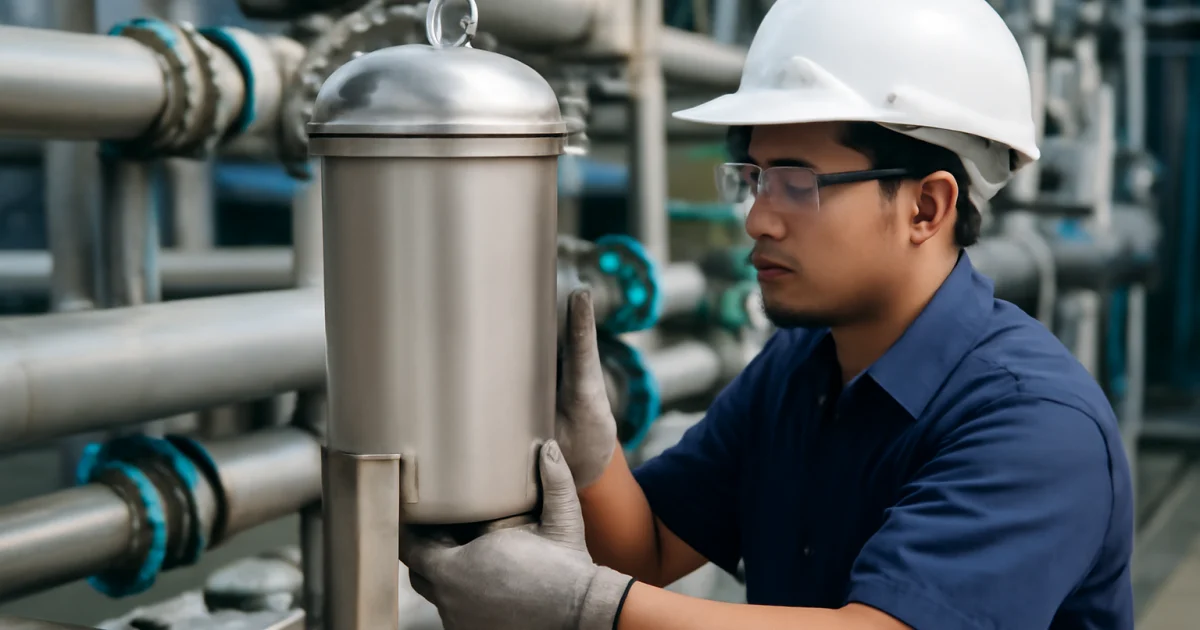
How to Install a High Flow Cartridge Filter Housing: Step-by-Step Tutorial
High flow cartridge filter housings are essential in various industries, including oil & gas, power generation, food & beverage processing, and water treatment. Proper installation ensures optimal filtration performance, system reliability, and easy maintenance. In this comprehensive tutorial, we walk maintenance engineers, plant operators, and water-treatment professionals through each step of installing a high flow cartridge filter housing, from preparation to commissioning.
Why Proper Installation Matters
Installing a high flow cartridge filter housing correctly protects downstream equipment, maintains process efficiency, and extends filter cartridge life. Faulty installation can lead to leaks, reduced flow, contamination, or even equipment failure. Following best practices improves operational safety and ensures you get the most from your filtration investment.
Tools and Materials You Will Need
- High flow cartridge filter housing (ensure compatibility with your system)
- Filter cartridges (correct size and specification)
- Wrenches or spanners
- Pipe sealant or PTFE tape
- Pressure gauges (if not already installed)
- Gaskets or O-rings (supplied with the housing)
- Personal protective equipment (gloves, goggles, etc.)
Step 1: Prepare the Installation Site
Begin by selecting a suitable, accessible location for the filter housing. The area should be level, well-ventilated, and allow easy access for future maintenance. Shut off the process flow and depressurize the section of the pipeline where the housing will be installed. Confirm that all necessary parts and tools are on hand.
Step 2: Inspect and Assemble the Filter Housing
Before installation, carefully inspect the housing for any shipping damage or missing components. Verify that all gaskets and O-rings are undamaged and correctly positioned. For multi-cartridge or FRP multi cartridge high flow filter housings, ensure each cartridge position is clean and ready.
If required, pre-install any pressure gauges, drain valves, or vent valves on the housing using appropriate pipe sealant or PTFE tape. Tighten connections according to manufacturer recommendations to avoid leaks.
Step 3: Position and Secure the Housing
Lift and position the filter housing onto its mounting location. Secure the housing to the floor or support frame using the supplied brackets or anchor bolts. Ensure the inlet and outlet ports align with existing pipework. For large or heavy housings, use appropriate lifting equipment and follow all safety guidelines.
Connect the inlet and outlet pipes, ensuring proper alignment and support to prevent stress on the housing connections. Apply PTFE tape or sealant to threaded joints to ensure leak-free connections. Tighten all flanges or unions as specified in the product manual.
Step 4: Install Filter Cartridges
Open the housing by releasing the clamp, swing bolts, or quick-release mechanism, depending on the model. Remove the lid or cover carefully. Insert the high flow filter cartridges into the designated slots, ensuring each cartridge seats firmly into the base or guide plate. Check that O-rings or gaskets are correctly positioned for a proper seal.
For specific cartridge types, such as high flow filter cartridge RHK series, follow the manufacturer’s orientation and handling instructions. Once all cartridges are in place, carefully align and reseal the cover. Tighten all clamps or bolts evenly to avoid distortion and ensure a uniform gasket seal.
Step 5: Leak Testing and Commissioning
With the housing securely closed, slowly introduce process fluid into the housing while monitoring for leaks at all connections, flanges, and seals. Tighten any fittings as needed if minor leaks are detected. Once leak-free, gradually bring the system up to operating pressure.
Vent air from the top of the housing using the vent valve until a steady flow of liquid appears. Monitor the pressure differential across the filter using installed gauges. Record initial readings for future maintenance reference.
Step 6: System Start-Up and Final Checks
Open downstream valves and allow full system flow through the filter housing. Observe the system for stable pressure and flow rates. Check for unusual noises or vibrations, which may indicate air pockets or improper installation. Review the filtration system’s performance during initial operation to ensure all parameters meet process requirements.
For systems requiring additional water treatment, such as UV water disinfection, confirm that downstream processes receive clean, filtered water as specified.
Maintenance Tips for Long-Term Performance
- Monitor pressure differential to determine when filter cartridges need replacement.
- Inspect gaskets and O-rings at each service interval and replace as needed.
- Keep the area around the filter housing clean and accessible for safe maintenance.
- Use only compatible replacement cartridges and components from trusted suppliers.
For advanced filtration needs, consider options like FRP high flow cartridge filter housings for enhanced chemical resistance and durability.
Common Installation Mistakes to Avoid
Even experienced engineers can encounter pitfalls during filter housing installation. One frequent error is failing to check the compatibility of sealing materials with process fluids, which can result in premature gasket or O-ring degradation. Another common issue is overtightening bolts or clamps, leading to housing warping and unreliable seals. Improper alignment of inlet and outlet piping may introduce undue stress, causing leaks or mechanical failure over time. Always double-check torque recommendations and use calibrated tools where possible.
Real-World Example: Retrofitting in a Power Plant
Consider a scenario where a thermal power plant needs to upgrade its filtration system to handle increased cooling water demand. The maintenance team selects a multi-cartridge filter housing to improve particulate removal. During installation, they encounter challenges fitting the new housing within limited floor space and integrating with existing piping. By collaborating with the manufacturer’s engineering team, they receive custom mounting brackets and guidance on pipe routing, ensuring a secure and efficient retrofit. This case highlights the value of open communication and technical support during complex projects.
Checklist for a Successful Installation
- Confirm all components and tools are present before starting.
- Review manufacturer documentation for specific installation requirements and torque values.
- Inspect housing and cartridges for shipping damage or contamination.
- Verify correct orientation of inlet and outlet connections.
- Ensure all seals, gaskets, and O-rings are properly lubricated and positioned.
- Gradually introduce process fluid to avoid water hammer or pressure shocks.
- Document initial pressure and flow readings after commissioning.
- Schedule follow-up checks to catch minor leaks or settling issues early.
Comparing Cartridge Filter Housings: Stainless Steel vs. FRP
When choosing a filter housing for your application, material selection is crucial. Stainless steel housings offer exceptional strength and are preferred in high-temperature or high-pressure environments, such as chemical processing or pharmaceutical production. They are highly resistant to corrosion from most process fluids but may not be ideal for extremely aggressive chemicals. FRP (fiberglass reinforced plastic) housings, on the other hand, provide outstanding resistance to a broad range of corrosive substances, making them suitable for seawater, brine, or acidic streams. FRP options are lighter and often easier to install in challenging locations. Consult with your supplier to select the best material for your process conditions, considering both operational needs and total cost of ownership.
Conclusion
Installing a high flow cartridge filter housing is a straightforward process when following best practices and manufacturer guidelines. Proper site preparation, careful assembly, and systematic commissioning will ensure reliable filtration and protect vital process equipment. If you need support selecting the right solution or have unique installation requirements, working with an experienced high flow cartridge filter housing manufacturer can help you achieve optimal results.
Curious about the differences between bag, cartridge, stainless steel, and FRP filter housings? Read our in-depth comparison guide.
Need Expert Support for Industrial Filtration Installation?
Trust Suzhou Ruickly Purification Technology Co., Ltd. for your high flow cartridge filter housing needs. With 29+ years of experience, we offer customized filtration systems, FRP and stainless steel housings, and technical support for over 80 industries worldwide. Let us help you achieve seamless installation and reliable filtration performance in your facility.
Frequently Asked Questions
What are the main steps to install a high flow cartridge filter housing?
The main steps include preparing the installation site, inspecting and assembling the housing, securely positioning it, installing the filter cartridges, leak testing, commissioning, and performing final system checks.
How do I know if my filter cartridges are installed correctly?
Ensure each cartridge is firmly seated and the O-rings or gaskets are properly positioned. The housing cover should seal evenly, and there should be no leaks during initial pressurization.
Can I use FRP filter housings for corrosive applications?
Yes, FRP filter housings are designed for enhanced chemical resistance, making them suitable for corrosive or challenging industrial environments.
When should I replace the filter cartridges?
Replace cartridges when the pressure differential across the housing reaches the manufacturer’s recommended limit or when flow rates decrease significantly.
Why is it important to work with a reliable high flow cartridge filter housing manufacturer?
A reputable manufacturer provides quality products, technical support, and customized solutions to ensure your filtration system performs safely and efficiently in your specific application.
Need Expert Support for Industrial Filtration Installation?
Trust Suzhou Ruickly Purification Technology Co., Ltd. for your high flow cartridge filter housing needs. With 29+ years of experience, we offer customized filtration systems, FRP and stainless steel housings, and technical support for over 80 industries worldwide. Let us help you achieve seamless installation and reliable filtration performance in your facility.